



Whether you’re a longtime homeowner or shopping for a new home, now is the perfect time to start preparing your home for winter, especially with a particularly strong El Niño expected for the 2026-2027 winter season. Knowing how to prepare your home for winter can help protect your property, reduce energy costs, and keep your family safe and comfortable all season long.
At Traditions of Braselton, find your dream home with all the upgrades and weather-ready advantages to make for a smooth-sailing winter.
What’s a Super El Niño and Why Does It Matter?
El Niño is a climate pattern that occurs when ocean temperatures in the central and eastern tropical Pacific become warmer than normal, influencing weather around the world. When temperatures rise significantly above average, it’s sometimes referred to as a Super El Niño.
For Georgia, El Niño winters are typically associated with increased rainfall and cooler-than-normal temperatures. Forecasters are expecting a particularly strong El Niño for the 2026-2027 winter season, which could bring wetter-than-average conditions across the Southeast. Homeowners can prepare by taking steps to protect their property from heavy rain, changing temperatures, and the very real potential for winter storms.
While seasonal forecasts can’t predict exactly when or where storms will occur, preparing your home now can help keep it comfortable and protected throughout the season.
How Do I Prep My Home for Winter Weather?
Keep Gutters and Downspouts Clear
Keep gutters and downspouts clear of debris during wet winters to direct water away from your foundation and reduce erosion, pooling, and water intrusion. Especially with drastic changes in precipitation and unpredictable weather patterns, this extra step will ensure your home’s foundation remains secure.
Be sure to:
- Remove leaves and debris from gutters regularly.
- Check that downspouts direct water away from the foundation.
- Inspect gutters for loose connections, leaks, or damage.
- Inspect drainage areas after heavy rainstorms.
- Trim overhanging branches that may add debris or break during an ice event.
Inspect Your Roof and Seal Potential Leaks
Georgia’s winter weather can bring periods of heavy rain, strong winds, and occasional freezing temperatures. Before the season gets underway, inspect your roof and exterior for areas where water or cold air could enter your home. Addressing small issues now can help prevent more costly repairs later.
Be sure to:
- Look for missing, damaged, or loose shingles.
- Check flashing around chimneys, vents, and roof openings.
- Inspect exterior walls and siding for cracks or gaps.
- Check weatherstripping around exterior doors and windows.
- Seal small gaps around windows and other openings where drafts may occur.
Winterize Outdoor Water Lines
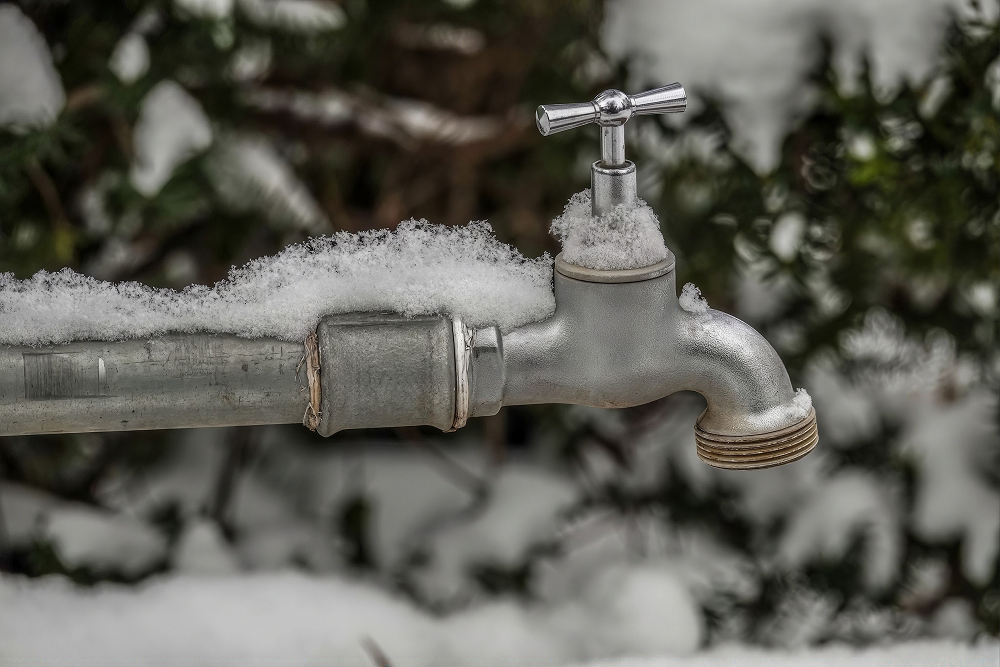
Completing the following steps can help prevent costly pipe damage when temperatures drop unexpectedly. Protect outdoor plumbing by:
- Disconnecting garden hoses.
- Draining irrigation systems if applicable.
- Covering outdoor hose bibs and faucets.
- Checking exposed pipes for proper insulation.
Prepare Your Yard and Outdoor Spaces
Preparing your outdoor spaces can help protect your property during periods of heavy rain, strong winds, and colder temperatures. A little maintenance can reduce drainage issues and help prevent damage to landscaping and outdoor features.
A few things to check:
- Clear leaves and debris from yard drains and drainage areas.
- Secure patio furniture, grills, and other outdoor items before strong winds.
- Trim dead or damaged tree limbs that could fall during storms.
- Check retaining walls and sloped areas for signs of erosion.
- Store or cover outdoor equipment that may be affected by winter weather.
Check Your Heating System and HVAC Filters
Your heating system works hard to keep your home comfortable during colder months. Scheduling routine maintenance before winter can help identify potential issues, improve system performance, and reduce the likelihood of unexpected repairs when temperatures drop.
Before winter arrives:
- Schedule a professional HVAC inspection and tune-up.
- Replace or clean air filters according to the manufacturer’s recommendations.
- Make sure vents and returns aren’t blocked by furniture or other items.
- Test your thermostat to confirm your heating system is working properly.
- Check smoke and carbon monoxide detectors, especially if your home uses gas appliances or a fireplace.
Put Together a Few Winter Essentials
It’s always helpful to have a few essentials on hand during the winter months, especially if bad weather leads to a temporary power outage. Keep a small supply of everyday necessities in an easy-to-find place, including:
- Bottled water and non-perishable snacks
- Flashlights and extra batteries
- Blankets and warm clothing
- Portable phone chargers
- First-aid supplies and necessary medications
- Important documents and pet essentials
Having these items together makes it easier to stay comfortable and prepared throughout the season.
Why New Homes Have a Weather-Ready Advantage

While maintenance and preparation are important for every homeowner, today’s new-construction homes offer built-in advantages that can make winter living more comfortable and efficient.
Advanced Insulation for Better Comfort: Modern homes use high-performance insulation to maintain comfortable temperatures year-round. By reducing heat transfer, quality insulation helps keep heat inside during winter and eases the HVAC system’s workload. This improves comfort and lowers utility bills.
Energy-Efficient Windows Keep the Elements Outside: Today’s energy-efficient windows do more than let in natural light. Features like insulated glass and Low-E coatings reduce drafts, heat loss, and noise, while lowering heating and cooling costs and improving indoor comfort, especially during cold, wet winters.
Energy-Efficient Appliances Reduce Everyday Energy Use: Today’s energy-efficient appliances are designed to use less electricity while handling everyday household tasks. From refrigerators and dishwashers to laundry appliances, choosing efficient models can help reduce overall energy consumption.
Modern LED Lighting: LED lighting uses less energy than traditional bulbs while providing bright, consistent light. Homeowners benefit from lower energy use, less heat, longer bulb life, and reduced maintenance costs. These small efficiencies can add up to meaningful savings over time.
Energy Efficiency Helps Backup Power Go Further: During a power outage, an energy-efficient home can offer an additional advantage. Appliances, lighting, and other features that use less electricity can help reduce the overall load on a backup power system. Depending on the system’s capacity and fuel supply, this can help extend the time essential household items remain powered.
Your New Home at Traditions of Braselton is The Best Way to Survive this Winter

At Traditions of Braselton, homeowners enjoy new homes with today’s most desirable energy-efficient features, open-concept layouts, and quality craftsmanship. Whether you’re looking for more space, lower maintenance, or greater efficiency, a new-construction home can help you stay comfortable year-round.
Beyond the homes themselves, residents enjoy Braselton’s charm, access to local shopping and dining, beautiful community amenities, and convenient connectivity to the Northeast Georgia region.
As you prepare for a potentially wetter and stormier winter, there’s no better time to consider the advantages of a new home designed for comfort, efficiency, and peace of mind.
Ready to learn more about life at Traditions of Braselton? Explore available homes and discover why so many families choose this community.

Find us Online
© 2026 Marketing In Motion. All rights reserved. Equal Housing Opportunity.
Site design and development by Rearview Advertising
